
Learning slowly.
Langsam lernen.
What yoga is, why Ashtanga, how a Mysore room works – and how the practice is learned, one piece at a time.
Was Yoga ist, warum Ashtanga, wie ein Mysore-Raum funktioniert – und wie die Praxis gelernt wird, Stück für Stück.
What is yoga?Was ist Yoga?
Yoga is a practice of attention.
We begin with the body because the body is something we can feel.
We learn to breathe, to move, to stay, to notice.
And slowly we begin to notice more.
How we react when something is difficult.
How quickly we become impatient.
How much we compare ourselves with others.
How strongly we want things to be different from what they are.
The physical practice is therefore not the goal of yoga. It is one of the places where we begin.
Yoga asks us to look at how we live, how we treat other people, how we treat ourselves, what we hold on to and what we might be ready to let go of.
Some of this happens on the mat.
Much of it happens everywhere else.
This is why yoga cannot really be measured by how flexible we are or how many postures we can do.
The practice may change the body.
But eventually, if we stay with it long enough, it may also change the way we see.
Yoga ist eine Praxis der Aufmerksamkeit.
Wir beginnen beim Körper, weil wir ihn spüren können.
Wir lernen zu atmen, uns zu bewegen, zu bleiben, wahrzunehmen.
Und langsam nehmen wir mehr wahr.
Wie wir reagieren, wenn etwas schwierig ist.
Wie schnell wir ungeduldig werden.
Wie sehr wir uns mit anderen vergleichen.
Wie stark wir wollen, dass die Dinge anders sind, als sie sind.
Die körperliche Praxis ist darum nicht das Ziel des Yoga. Sie ist einer der Orte, an denen wir beginnen.
Yoga fragt, wie wir leben, wie wir mit anderen umgehen, wie mit uns selbst, woran wir festhalten und was wir vielleicht loslassen könnten.
Manches davon passiert auf der Matte.
Vieles passiert überall sonst.
Darum lässt sich Yoga nicht wirklich daran messen, wie beweglich wir sind oder wie viele Haltungen wir können.
Die Praxis kann den Körper verändern.
Aber wenn wir lange genug dabeibleiben, verändert sie vielleicht auch, wie wir sehen.

Why Ashtanga?Warum Ashtanga?
Ashtanga is repetitive.
And that is precisely why I love it.
You don’t come to class wondering what sequence the teacher has invented today. There is no new playlist. No new choreography. No constant entertainment.
Traditionally, we practise six days a week. For most people, life has something to say about that.
So you practise as regularly as you can.
You return to the same practice again and again.
And because the practice stays more or less the same, you begin to notice what doesn’t.
Your breath, body, patience, ambition.
What feels easy one day and impossible the next.
What you want and what you avoid.
Days of strength, and days when simply arriving on the mat is enough.
Ashtanga gives us a structure, but nothing inside it stays the same.
Eventually, the practice becomes less about what comes next, and more about what is here.
Ashtanga ist repetitiv.
Und genau deshalb liebe ich es.
Du kommst nicht in die Stunde und fragst dich, welche Abfolge sich die Lehrerin heute ausgedacht hat. Keine neue Playlist. Keine neue Choreografie. Keine ständige Unterhaltung.
Traditionell üben wir sechs Tage pro Woche. Bei den meisten hat das Leben dazu etwas zu sagen.
Also übst du so regelmäßig, wie du kannst.
Du kehrst immer wieder zur selben Praxis zurück.
Und weil die Praxis mehr oder weniger gleich bleibt, bemerkst du, was sich verändert.
Atem, Körper, Geduld, Ehrgeiz.
Was an einem Tag leicht ist und am nächsten unmöglich.
Was du willst und was du vermeidest.
Tage voller Kraft – und Tage, an denen es genügt, auf der Matte anzukommen.
Ashtanga gibt uns eine Struktur, aber nichts darin bleibt gleich.
Irgendwann geht es weniger darum, was als Nächstes kommt, und mehr darum, was jetzt da ist.
Mysore Style
Mysore Style is not a class in the usual sense.
There is no teacher standing at the front of the room calling out postures. There is no need for everyone to move at the same speed or do the same thing at the same time.
You learn a sequence gradually, one part at a time.
You practise it at your own pace, with your own breath.
I am in the room with you. I watch. I help when help is needed. I teach something new when I think the time is right. Sometimes I adjust a posture. Sometimes I change it. Sometimes I ask you to wait.
And sometimes I do nothing at all.
That too is teaching.
The room is quiet. People arrive at different times. Beginners may be practising next to people who have been doing Ashtanga for twenty years. One person may practise for forty minutes, another for two hours.
There are no good students and bad students. No advanced corner of the room.
There are beginners and there are more experienced practitioners.
Everybody is working with the practice they have today.
Mysore Style ist keine Klasse im üblichen Sinn.
Niemand steht vorne im Raum und sagt Haltungen an. Niemand muss im gleichen Tempo üben oder zur selben Zeit dasselbe tun.
Du lernst eine Abfolge nach und nach, Stück für Stück.
Du übst sie in deinem Tempo, mit deinem Atem.
Ich bin mit dir im Raum. Ich schaue zu. Ich helfe, wenn Hilfe gebraucht wird. Ich zeige dir Neues, wenn ich finde, dass die Zeit reif ist. Manchmal korrigiere ich eine Haltung. Manchmal verändere ich sie. Manchmal bitte ich dich zu warten.
Und manchmal tue ich gar nichts.
Auch das ist Unterrichten.
Der Raum ist still. Die Leute kommen zu unterschiedlichen Zeiten. Anfänger:innen üben vielleicht neben Menschen, die seit zwanzig Jahren Ashtanga machen. Eine Person übt vierzig Minuten, eine andere zwei Stunden.
Es gibt keine guten und schlechten Schüler:innen. Keine Ecke für Fortgeschrittene.
Es gibt Anfänger:innen und es gibt Erfahrenere.
Alle arbeiten mit der Praxis, die sie heute haben.

You do not need to know the sequence before you come.
You do not need to be flexible.
You do not need to be strong.
You certainly do not need to be “good at yoga.”
You begin where you are.
And from there, slowly, we build a practice that becomes yours.
That is Mysore Style.
Du musst die Abfolge vorher nicht kennen.
Du musst nicht beweglich sein.
Du musst nicht stark sein.
Du musst ganz sicher nicht „gut in Yoga“ sein.
Du beginnst dort, wo du bist.
Und von dort aus bauen wir langsam eine Praxis auf, die deine wird.
Das ist Mysore Style.
Learning the practiceDie Praxis lernen
You don’t need to know Ashtanga before you come.
You learn it here.
Slowly.
The practice is learned one piece at a time.
You begin with the breath and a small part of the sequence. You learn where to look, how to move in and out of a posture, and gradually how to remember what comes next.
At the beginning, that may be very little.
A few sun salutations.
Some standing postures.
A closing sequence.
Enough to remember and to begin.
Then you come back.
We repeat.
I watch and will help when help is needed. We change something when it doesn’t work for your body. And when what you already have becomes steady, something new may be added.
There is no class to keep up with.
Someone beside you may have practised for twenty years. Someone else may have started last Tuesday.
It doesn’t matter.
Your practice begins with you.
Du musst Ashtanga nicht kennen, bevor du kommst.
Du lernst es hier.
Langsam.
Die Praxis wird Stück für Stück gelernt.
Du beginnst mit dem Atem und einem kleinen Teil der Abfolge. Du lernst, wohin du schaust, wie du in eine Haltung hinein- und wieder herauskommst, und nach und nach, was als Nächstes kommt.
Am Anfang ist das vielleicht sehr wenig.
Ein paar Sonnengrüße.
Einige stehende Haltungen.
Eine Abschlusssequenz.
Genug, um es dir zu merken und anzufangen.
Dann kommst du wieder.
Wir wiederholen.
Ich schaue zu und helfe, wenn Hilfe gebraucht wird. Wir verändern etwas, wenn es für deinen Körper nicht passt. Und wenn das, was du schon hast, stabil wird, kommt vielleicht etwas Neues dazu.
Es gibt keine Klasse, mit der du mithalten musst.
Neben dir übt vielleicht jemand seit zwanzig Jahren. Jemand anderer hat vielleicht letzten Dienstag angefangen.
Es spielt keine Rolle.
Deine Praxis beginnt bei dir.
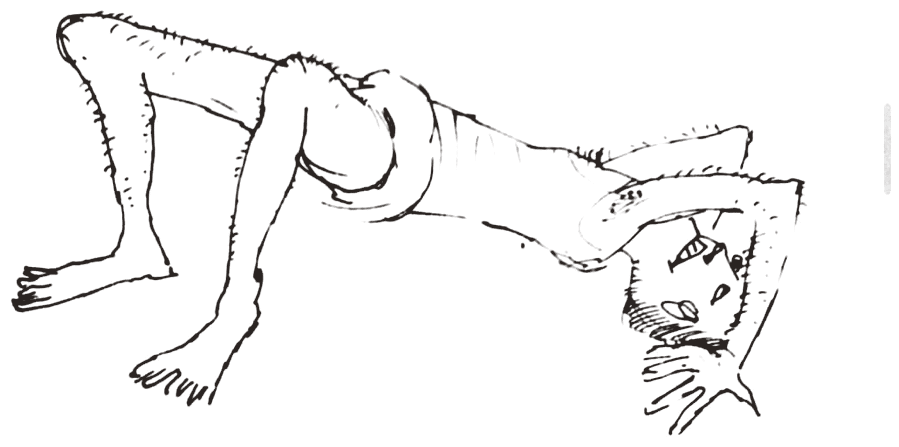
Over time, something quite beautiful happens.
You need me less.
You remember what comes next. You begin to know your own breath, your own body, your own rhythms.
You notice when you are pushing too hard.
And when you are giving up too quickly.
You learn when to continue.
When to stop and when to try again.
And when something needs another way.
Of course, we work with postures.
With strength, mobility, technique and alignment where they are useful.
But learning Ashtanga is not the same as collecting increasingly difficult shapes.
A new posture is not a promotion.
And being asked to wait is not a punishment.
Sometimes I will teach you something new.
Sometimes I will ask you to stay exactly where you are.
And sometimes I will ask you to do less.
That can be harder than doing more.
Bodies change.
Life changes.
Injury, age, pregnancy, menstruation, exhaustion, stress … all of these may change the practice.
They are not interruptions to learning how to practise.
They are part of it.
Mit der Zeit passiert etwas ziemlich Schönes.
Du brauchst mich weniger.
Du weißt, was als Nächstes kommt. Du lernst deinen eigenen Atem kennen, deinen eigenen Körper, deine eigenen Rhythmen.
Du merkst, wann du zu sehr drückst.
Und wann du zu schnell aufgibst.
Du lernst, wann du weitermachst.
Wann du aufhörst und wann du es noch einmal versuchst.
Und wann etwas einen anderen Weg braucht.
Natürlich arbeiten wir mit Haltungen.
Mit Kraft, Beweglichkeit, Technik und Ausrichtung, wo sie hilfreich sind.
Aber Ashtanga zu lernen heißt nicht, immer schwierigere Formen zu sammeln.
Eine neue Haltung ist keine Beförderung.
Und warten zu sollen ist keine Strafe.
Manchmal zeige ich dir etwas Neues.
Manchmal bitte ich dich, genau dort zu bleiben, wo du bist.
Und manchmal bitte ich dich, weniger zu tun.
Das kann schwerer sein, als mehr zu tun.
Körper verändern sich.
Das Leben verändert sich.
Verletzung, Alter, Schwangerschaft, Menstruation, Erschöpfung, Stress … all das kann die Praxis verändern.
Es unterbricht das Lernen nicht.
Es gehört dazu.
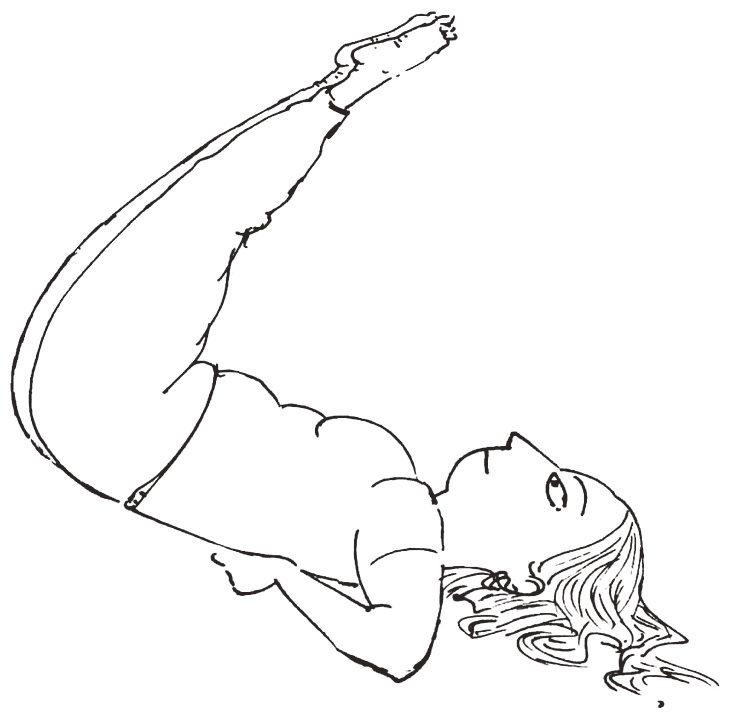
There are no phones in the practice room.
Not because phones are bad, but because this is one of the few places where we can put them away.
Nobody is filming or taking photographs, and nobody needs to wonder whether they might appear in somebody else’s story.
It creates a different kind of space.
A little more private and intimate. A place where you can be vulnerable without being watched by the outside world.
You can just practise.
You don’t need to perform your practice for anybody.
You need your attention.
And little by little, the sequence you once had to think your way through becomes familiar.
The room becomes familiar.
The practice becomes familiar.
Until one day you realise that you are no longer waiting for someone to tell you what to do.
You know how to begin.
You know how to continue.
And, perhaps most importantly, you are learning how to listen.
Because that is what I hope you learn here.
Not simply a sequence of yoga postures.
How to practise Ashtanga Yoga.
Im Übungsraum gibt es keine Handys.
Nicht weil Handys schlecht sind, sondern weil das einer der wenigen Orte ist, an denen wir sie weglegen können.
Niemand filmt oder fotografiert, und niemand muss sich fragen, ob er in der Story eines anderen auftaucht.
Das schafft einen anderen Raum.
Etwas privater und intimer. Einen Ort, an dem du verletzlich sein kannst, ohne von der Außenwelt beobachtet zu werden.
Du kannst einfach üben.
Du musst deine Praxis niemandem vorführen.
Du brauchst deine Aufmerksamkeit.
Und Stück für Stück wird die Abfolge, durch die du dich anfangs denken musstest, vertraut.
Der Raum wird vertraut.
Die Praxis wird vertraut.
Bis du eines Tages merkst, dass du nicht mehr darauf wartest, dass dir jemand sagt, was du tun sollst.
Du weißt, wie du beginnst.
Du weißt, wie du weitermachst.
Und, vielleicht am wichtigsten: Du lernst zuzuhören.
Denn das ist es, was du hier hoffentlich lernst.
Nicht einfach eine Abfolge von Yogahaltungen.
Wie man Ashtanga Yoga übt.